
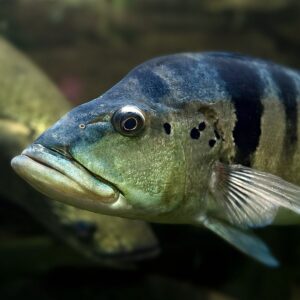
African Cichlids
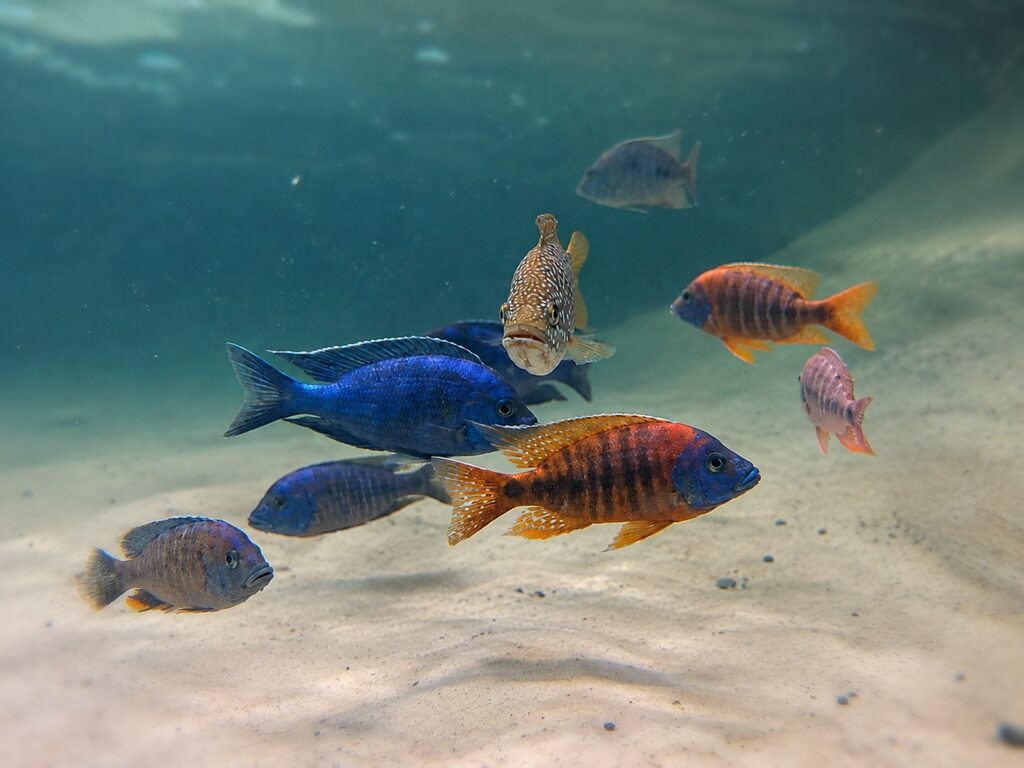
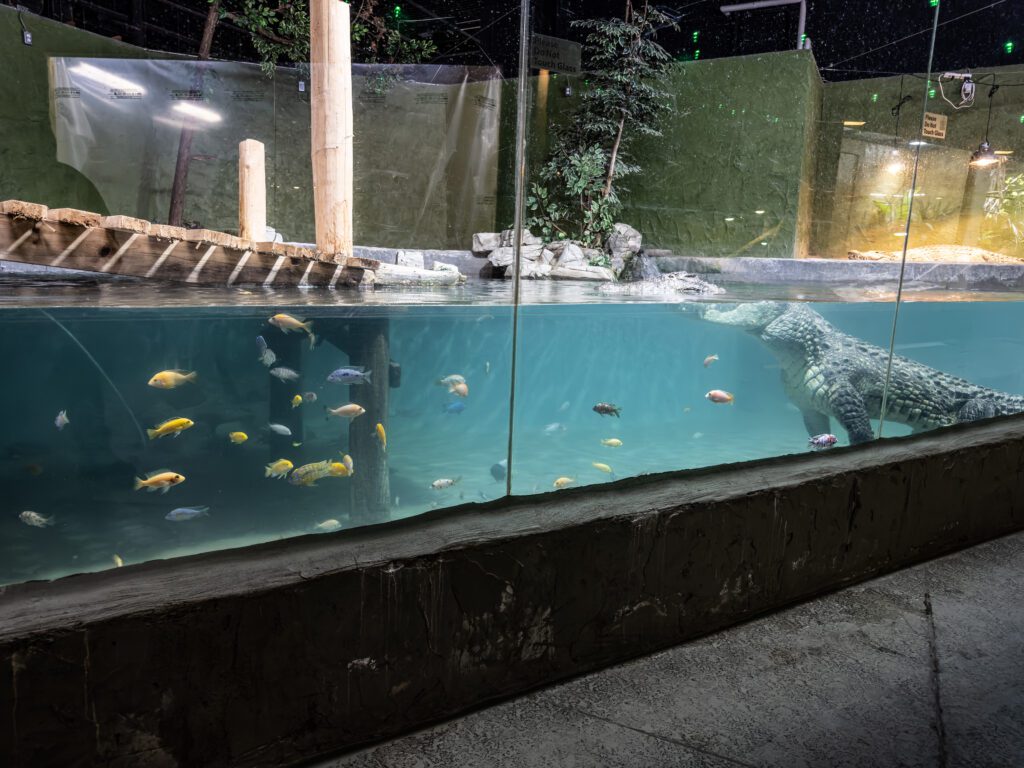
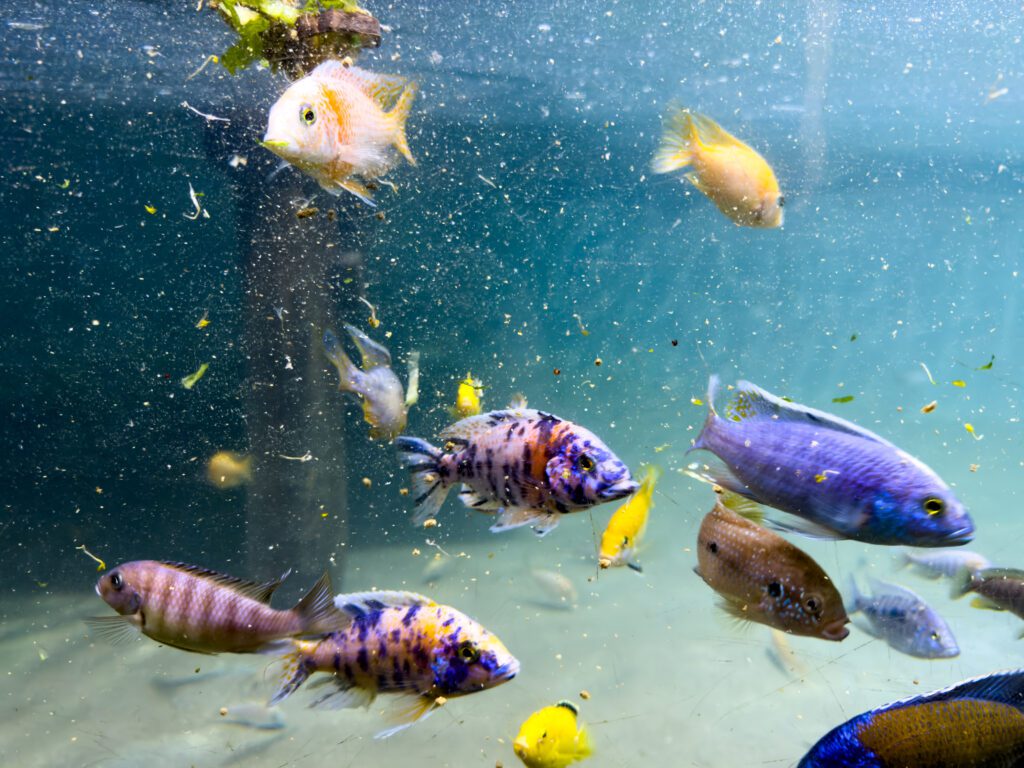
Haplochromis, Aulonocara, Labidochromis, Pseudotropheus
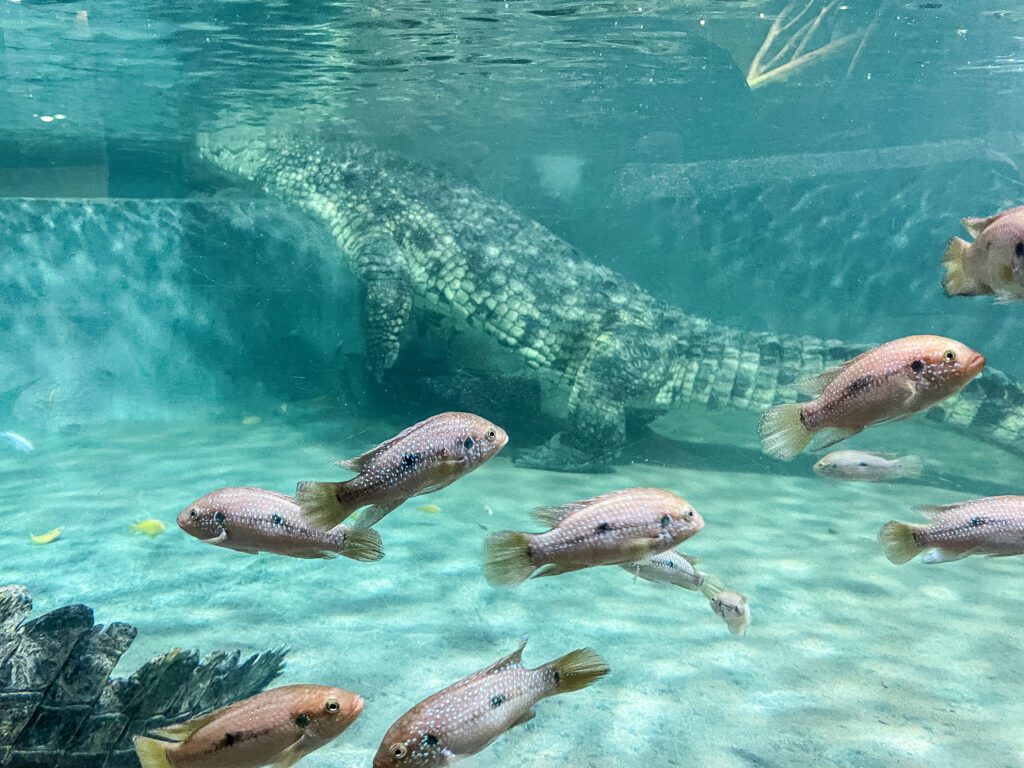
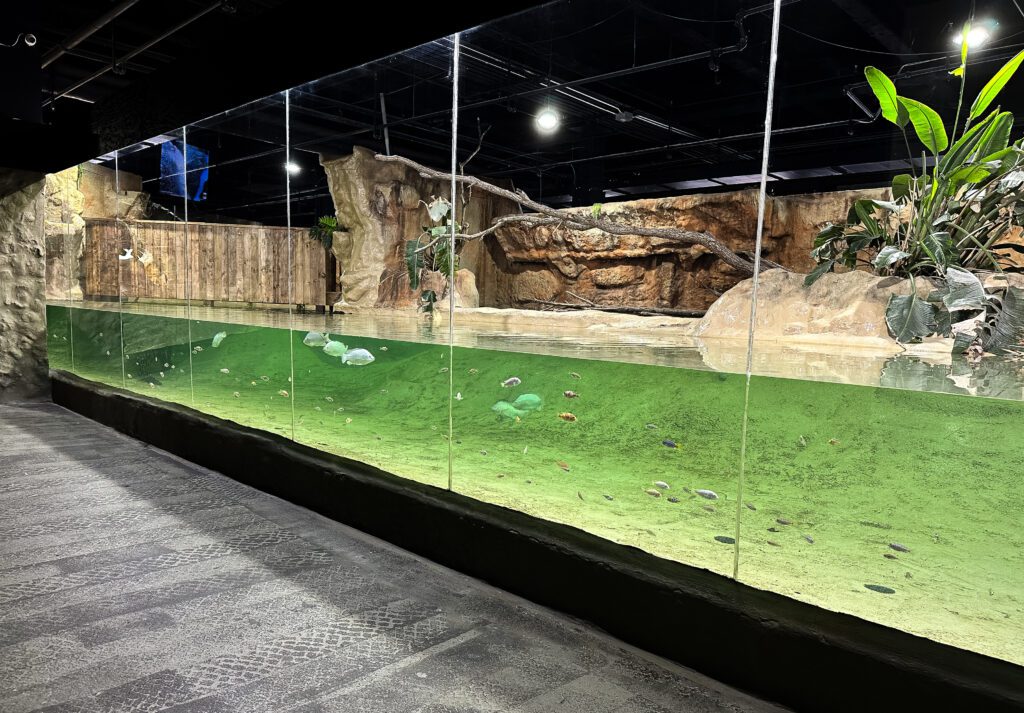
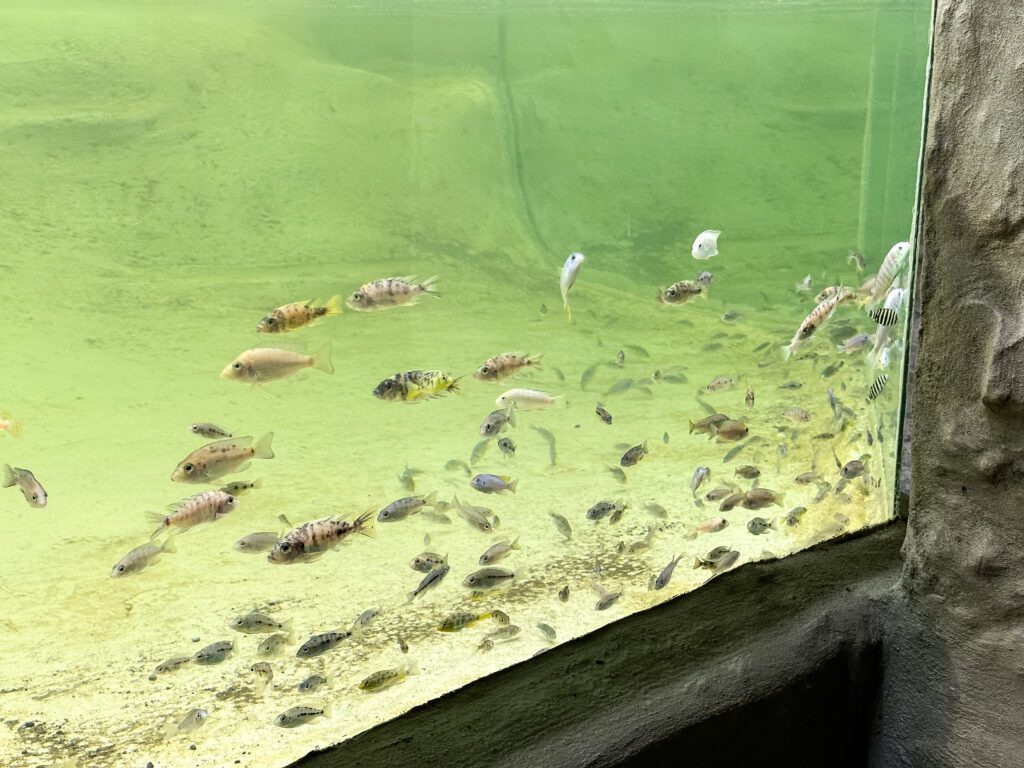
Animals on display may vary.
Diet
African Cichlids are omnivorous fish, with their diet consisting of a variety of foods including algae, small invertebrates, and occasionally small fish. Their diet can vary depending on their specific habitat and species.
Average lifespan
African Cichlids generally have a lifespan of around 5 to 10 years, though this can vary depending on factors such as species, care, and environmental conditions.
Size
African Cichlids vary greatly in size depending on the species. Some species may only grow to a few inches in length, while others can reach lengths of over a foot.
Weight
Similarly, the weight of African Cichlids can vary significantly based on the species and size of the individual fish.
About
African Cichlids are a diverse group of freshwater fish native to the African continent, particularly found in the rift lakes of East Africa such as Lake Malawi, Lake Tanganyika, and Lake Victoria. They are known for their vibrant colors, intricate patterns, and fascinating behaviors.
Size and behavior
African Cichlids exhibit a wide range of behaviors depending on their species and habitat. They can be territorial, especially during breeding periods, and may exhibit aggressive behavior towards other fish, particularly intruders in their territory. Some species are known for their elaborate courtship displays and parental care behaviors.
Diet and nutrition
African Cichlids have a remarkably wide range of feeding habits. Many species scrape algae from rocks, while others eat tiny invertebrates, plankton or other fish. This specialization allows hundreds of species to live side by side in the same lakes without competing directly for food.
Tropical Rivers & Lakes
More animals to meet

Conservation status
The conservation status of African Cichlids varies depending on the species and their specific habitats. While some species may be threatened or endangered due to habitat destruction, pollution, and overfishing, others may be more abundant and less at risk. Conservation efforts focused on habitat preservation, sustainable fishing practices, and captive breeding programs are important for the long-term survival of African Cichlids.
Fun fact
African Cichlids are one of the most remarkable examples of rapid evolution on Earth. Lake Malawi alone is home to more fish species than any other lake in the world, and most of them are cichlids found nowhere else.
Common Name: African Cichlids
Also known as: N/A
Visit in person
Animals on display vary by location and may change from day to day.