OWNED, RUN & MONITORED BY REPTILIA
Antivenom Canada
Canada’s exotic antivenom database — connecting hospitals and zoos with life-saving antivenom when every minute counts.
1 · Call 911
Get to the nearest emergency department right away.
2 · Call Poison Control
Ontario Poison Centre: 1-800-268-9017. Hospitals can locate exotic antivenom through Antivenom Canada.
3 · Stay Still & Calm
Keep the bitten limb still and remove rings or tight items. Don’t cut, suck or ice the bite.
WHAT IS ANTIVENOM CANADA?
Bridging Healthcare and the Zoo Community
Antivenom Canada is a specialized emergency database and logistics network owned, run and monitored by Reptilia. It bridges the gap between the public healthcare system and the zoological community.
While Canadian hospitals stock antivenom for native species like the massasauga rattlesnake, they don’t keep supplies for “exotic” snakes from other continents. Antivenom Canada is a real-time registry that tracks which exotic antivenoms are held across the country, where they are, how much is available, when it expires and who to contact.
HOW THE NETWORK WORKS
A Mutual-Aid Network
Accredited zoos — such as the Toronto Zoo and Riverview Park and Zoo — and professional facilities take part by listing their current antivenom inventories in the database.
01 · A Collaborative Effort
Participating zoos and facilities keep their antivenom stock, locations and expiry dates up to date in a shared, cooperative registry.
02 · Emergency Logistics
When someone is bitten by a non-native species, professionals can instantly identify the nearest source of the specific antivenom needed.
03 · Rapid Deployment
Once located, the network coordinates with emergency services, like police or air ambulances, to rush the vials to the treating hospital.
For Hospitals & Poison Centres
Log in to search the database and find the facility holding the antivenom your patient needs.
For Zoos & Facilities
Keep venomous species? Register your facility to list and share your antivenom inventory with the network.
POTENTIALLY APPLICABLE SPECIES
Venomous Species in Focus
A few of the venomous species whose antivenom may be needed in Canada.
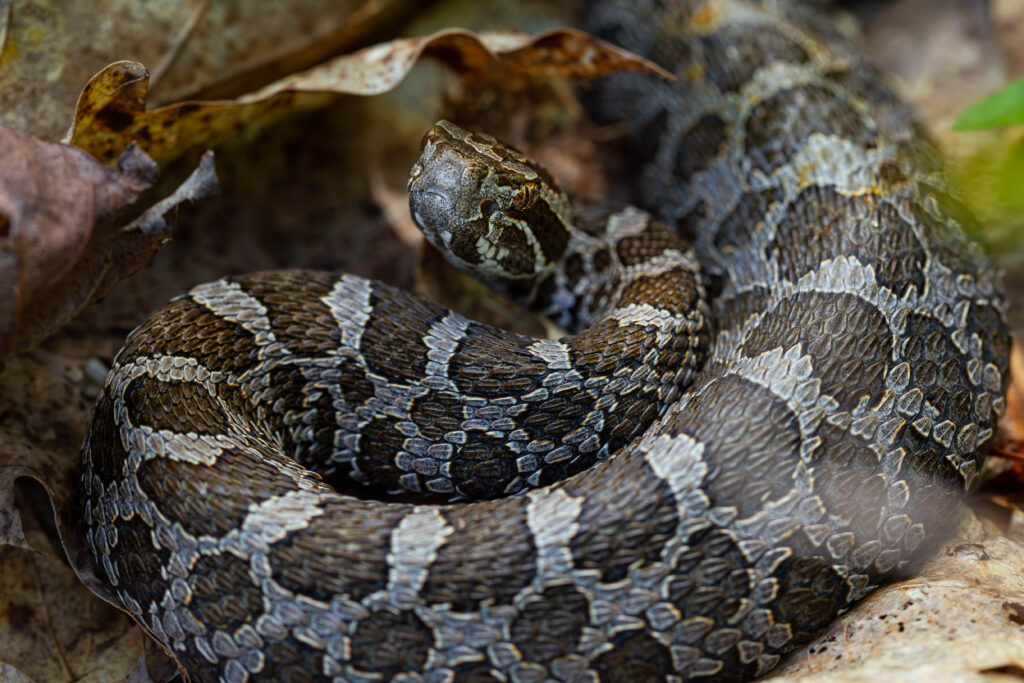
Massasauga Rattlesnake
The Massasauga Rattlesnake (Sistrurus catenatus)—Ontario’s only venomous snake—possesses a complex venom primarily designed to immobilize small prey like rodents and frogs.
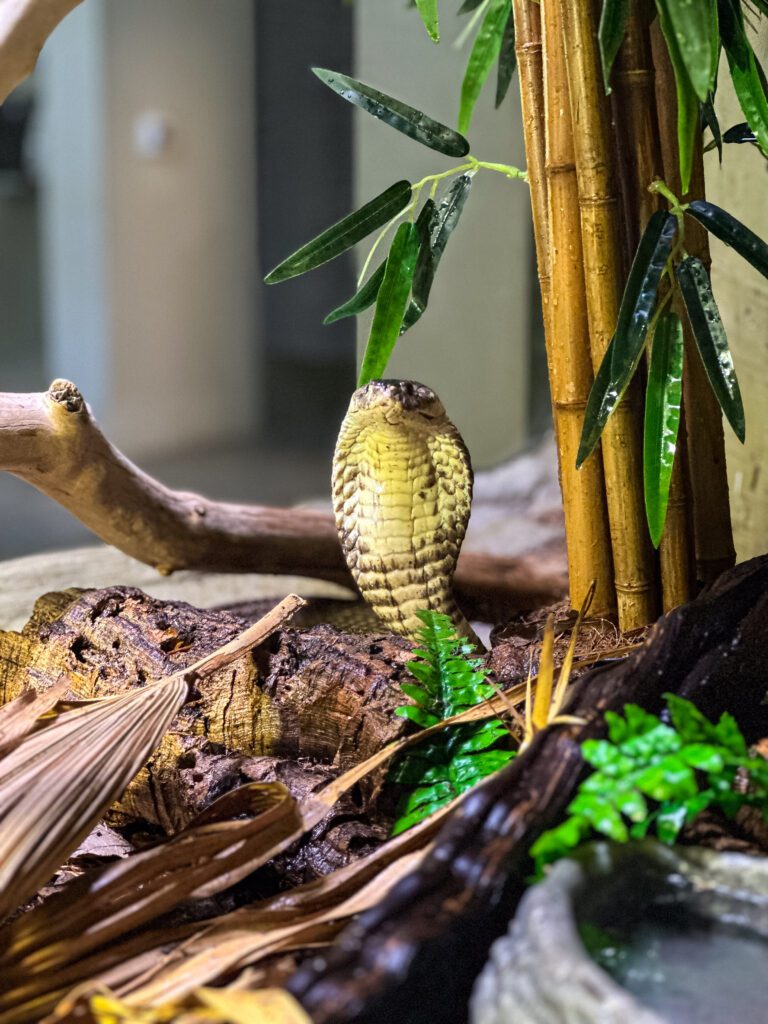
Monocled Cobra
The Monocled Cobra (Naja kaouthia) possesses a highly potent and fast-acting venom that primarily targets the central nervous system. It is considered one of the most dangerous snakes in Southeast Asia due to the speed at which its toxins can incapacitate a human
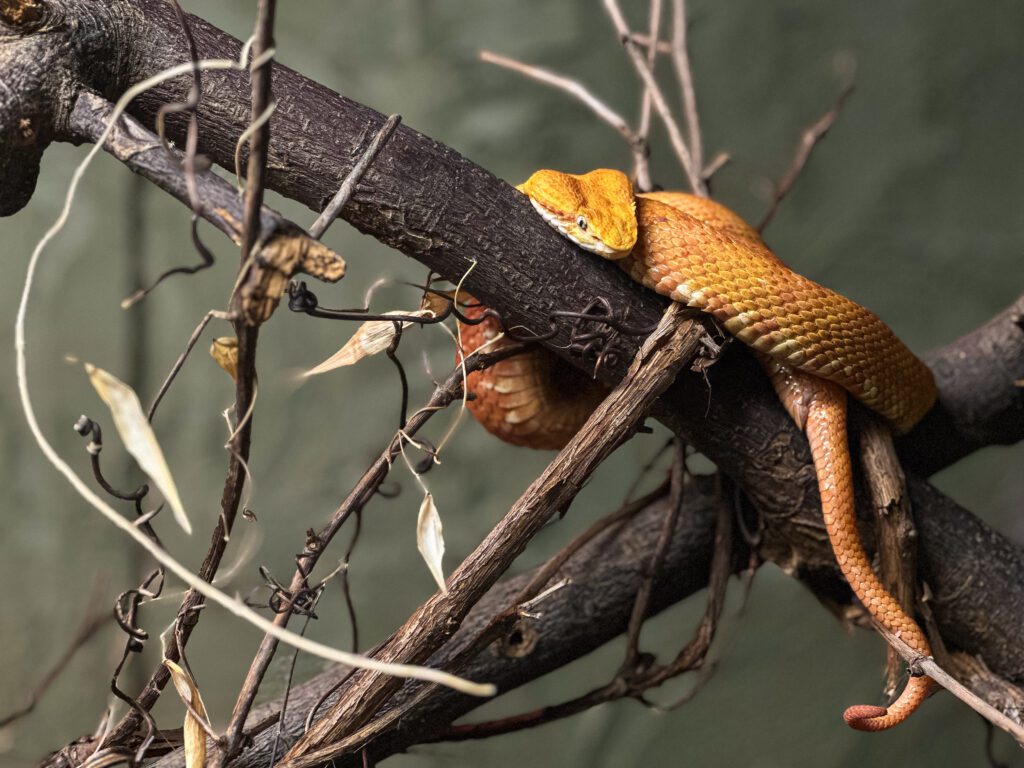
Eyelash Viper
The venom of the Eyelash Viper (Bothriechis schlegelii) is a complex cocktail designed for rapid immobilization of small, agile prey like hummingbirds and frogs. While it is rarely fatal to humans with proper medical care, it is medically significant and produces a “classic” viper envenomation.
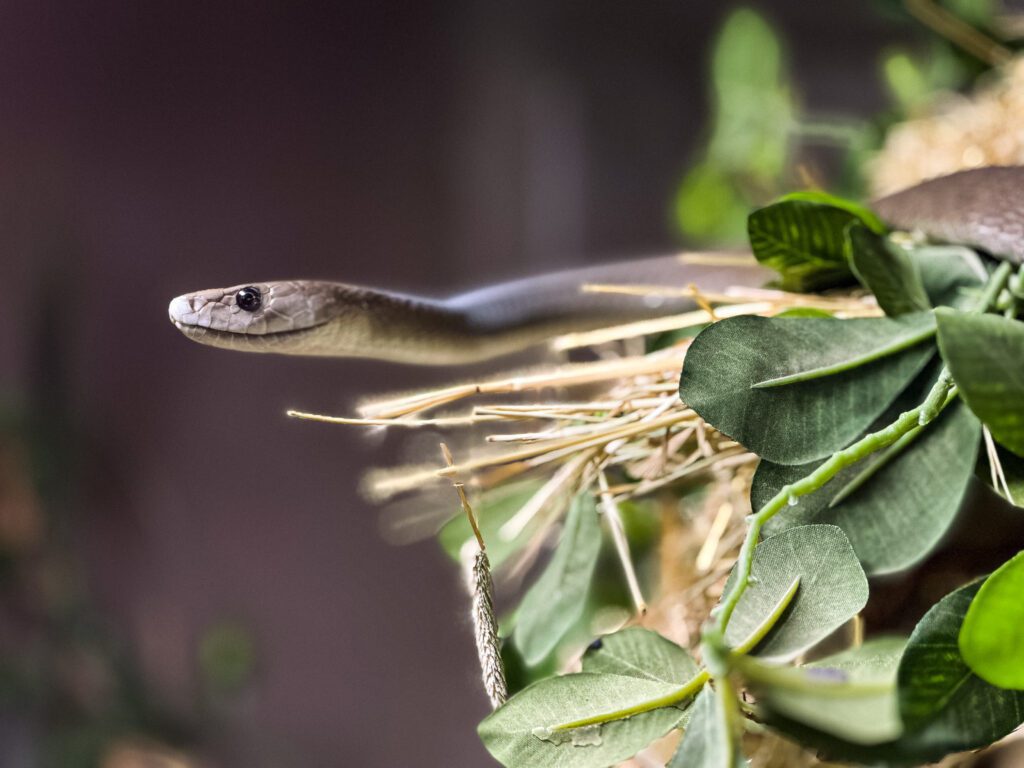
Black Mamba
The Black Mamba (Dendroaspis polylepis) possesses one of the most potent and fast-acting venoms in the world.
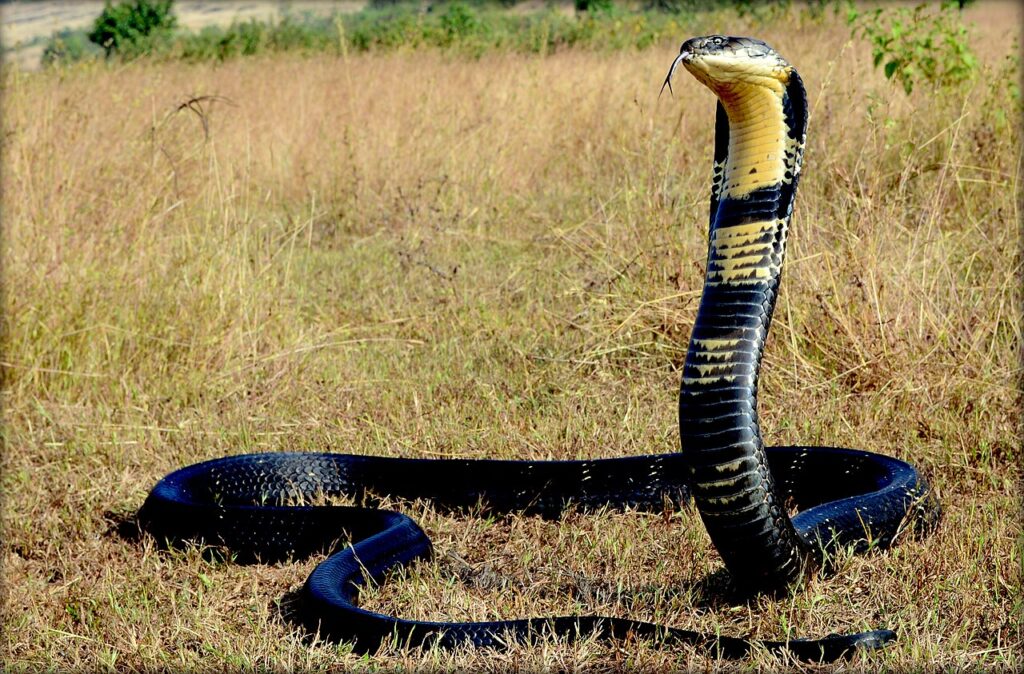
King Cobra
The King Cobra (Ophiophagus hannah) is the world’s longest venomous snake, reaching more than 4 metres. Found in the forests of South and Southeast Asia, it feeds mainly on other snakes and can deliver a large volume of neurotoxic venom in a single bite.
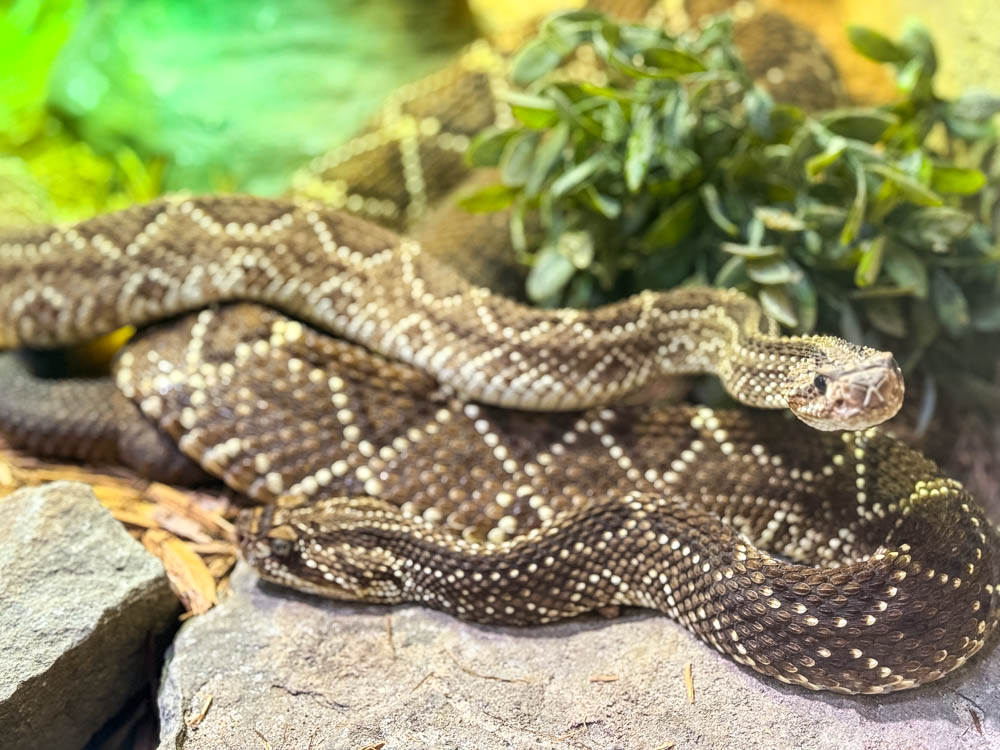
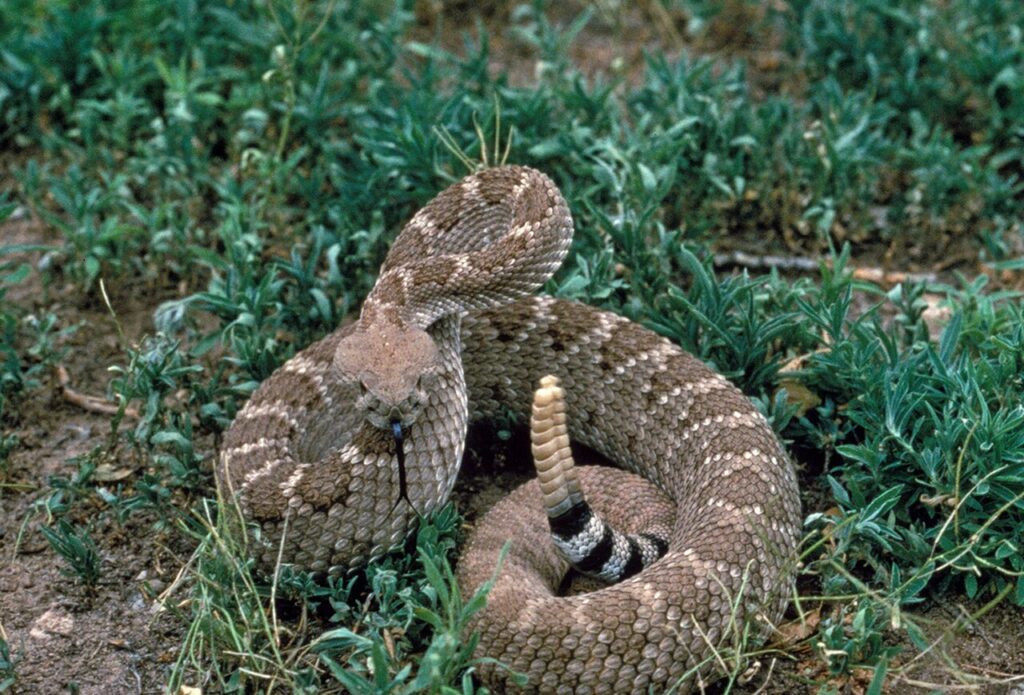
Western Diamondback Rattlesnake
The Western Diamondback Rattlesnake (Crotalus atrox) ranges across the southwestern United States and northern Mexico. Its venom damages tissue and disrupts blood clotting, and it is responsible for many of the serious snakebites in North America.
Puff Adder
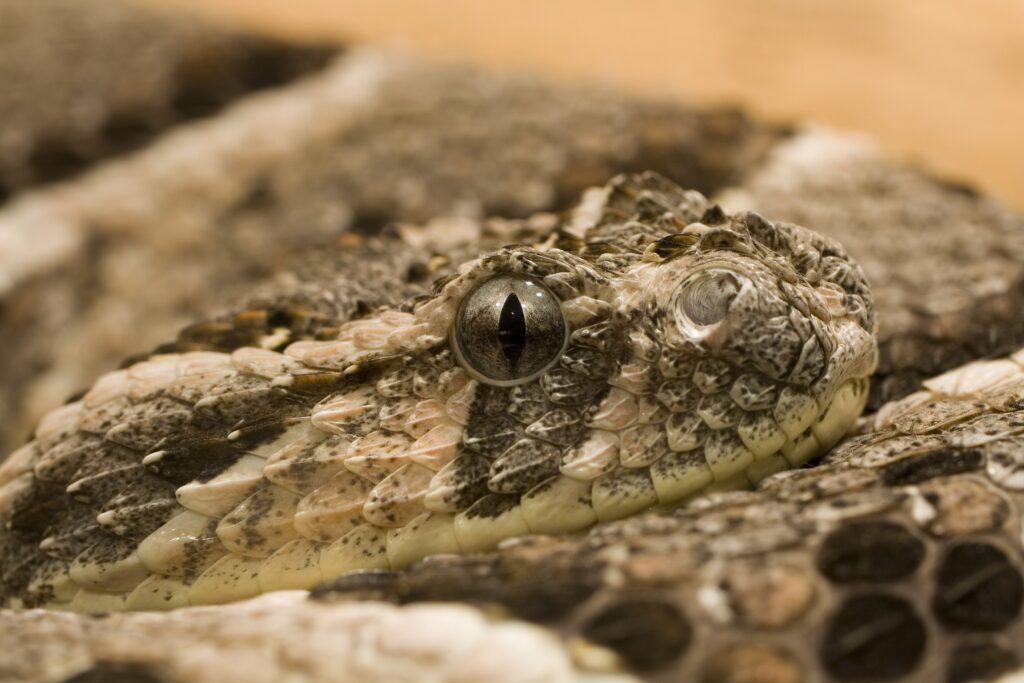
The Puff Adder (Bitis arietans) is found across most of sub-Saharan Africa. Its wide range, excellent camouflage and habit of staying still rather than fleeing make it one of Africa’s most medically significant snakes.
Gaboon Viper
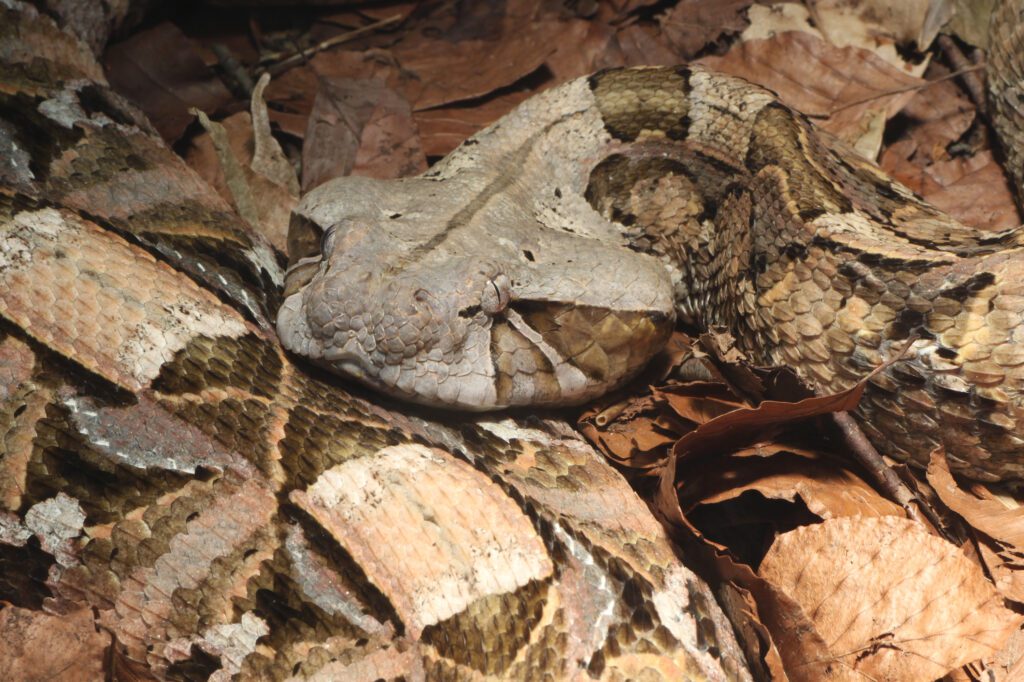
The Gaboon Viper (Bitis gabonica) lives in the rainforests of central and West Africa. It has the longest fangs of any snake — up to 5 cm — and produces one of the largest venom yields of any venomous species.
Header photo via Pexels. Other photos via Wikimedia Commons: massasauga rattlesnake by Tim Vickers (Public domain); king cobra by Rushikesh Lohar (CC BY-SA 4.0); western diamondback rattlesnake by Gary Stolz, USFWS (public domain); puff adder by Julius Rückert (CC BY-SA 3.0); gaboon viper by Holger Krisp (CC BY 3.0).
Follow the Zoo
Camp adventures, special events, rescue stories and behind-the-scenes moments from Vaughan, Whitby and London. Find us @reptiliazoo.