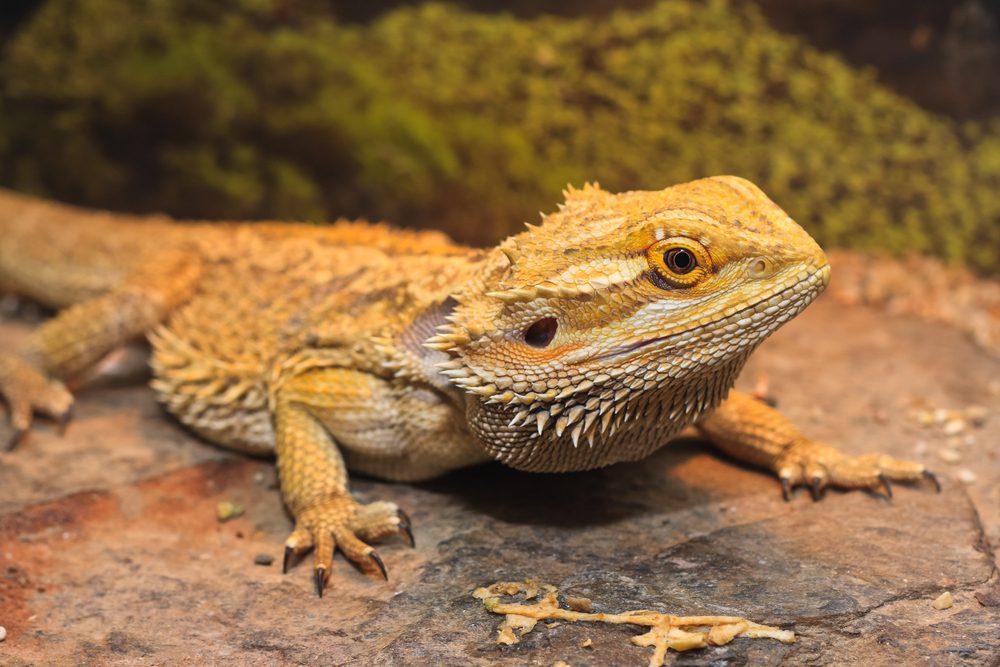
Bearded Dragon

Pogona vitticeps
See them at Whitby, Vaughan & London

Animals on display may vary.

Diet

Omnivorous; eats insects (crickets, roaches, beetles), small vertebrates, flowers, leafy vegetation, and fruits.

Average lifespan

Around 8–12 years in the wild.

Size

Typically 45–60 cm (18–24 in) from head to tail.

Weight

Adults usually weigh 300–500 grams (0.7–1.1 lb).

About

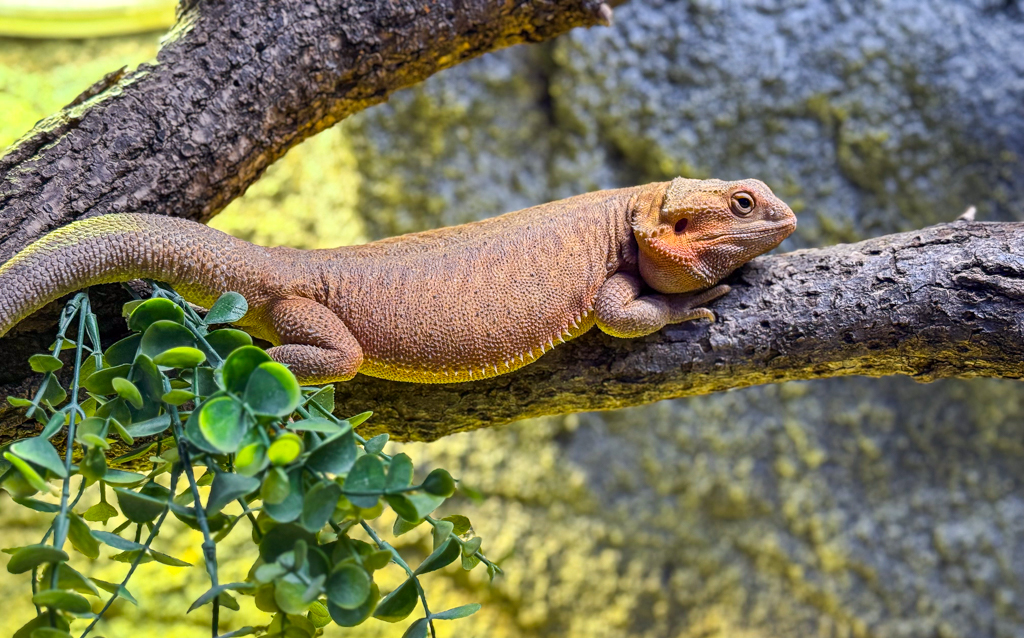
Bearded Dragons are native to Australia and inhabit arid deserts, scrublands, savannas, and dry forests. They get their name from the expandable “beard” under their chin, which darkens and puffs out when they are threatened or communicating.

Size and behavior

These lizards are diurnal, spending their days basking in the sun on rocks and branches. They are known for head bobbing, arm waving, and beard flaring—behaviors used for communication and dominance. Despite their rugged appearance, they are generally calm and rely on camouflage and bluff displays rather than flight.

Diet and nutrition

In their natural environment, juveniles eat mostly insects for rapid growth, while adults consume more vegetation as their metabolism slows. A balanced diet of protein-rich prey and high-fiber plants supports their energy needs, bone health, and hydration.
Deserts & Dry Scrub

Conservation status

Listed as Least Concern. Bearded Dragons have a stable wild population, though habitat loss from agriculture and climate pressures affects some local regions.

Fun fact

Bearded Dragons can change the color of parts of their body—especially their beard and chest—to help regulate temperature or communicate. Many will darken their beard when excited, threatened, or asserting dominance.
Common Name: Bearded Dragon
Also known as: N/A

Visit in person

Animals on display vary by location and may change from day to day.