Whitby, ON — December 25, 2025 — Reptilia Zoo & Education Centre is proud to announce its participation in the Canada’s Accredited Zoos and Aquariums (CAZA) Biodiversity Biobank, a national conservation initiative that will preserve invaluable genetic material from wildlife to support future research, species recovery, and biodiversity conservation.
The CAZA Biodiversity Biobank, developed in partnership with the National Biodiversity Cryobank of Canada at the Canadian Museum of Nature, brings together accredited zoological institutions from across the country to collect and permanently preserve biological samples from both Canadian and globally threatened species.
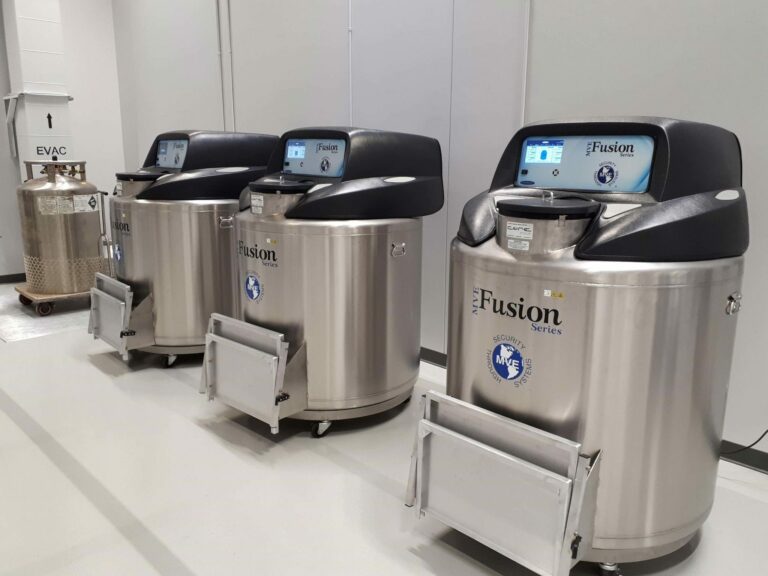
Biobanking involves the collection and long-term cryogenic storage of biological materials—including blood, tissue, sperm, eggs, and other cells—from both living and deceased animals. These samples provide an irreplaceable genetic resource that can support veterinary medicine, reproductive technologies, disease research, and future conservation efforts for species facing increasing threats in the wild.
As a participating institution, Reptilia will contribute samples collected opportunistically during routine veterinary procedures and post-mortem examinations, ensuring that valuable genetic information is preserved rather than lost. Priority will be given to threatened, endangered, and data-deficient species under Reptilia’s care, further strengthening conservation efforts both within Canada and internationally.
“Modern conservation extends well beyond the animals we care for today,” said Ryan Vince, General Manager of Reptilia Zoo & Education Centre. “By joining the CAZA Biodiversity Biobank, we are helping preserve the genetic legacy of species that may one day depend on these resources for scientific research, assisted reproduction, and population recovery. It is an investment in conservation that will benefit future generations.”
The initiative reflects a growing international movement to integrate biobanking into species conservation using a One Plan Approach, combining in situ and ex situ conservation efforts. By safeguarding genetic diversity today, accredited zoological institutions are creating opportunities for future technologies and research that may become critical in preventing extinctions.
For Reptilia, participation in the CAZA Biodiversity Biobank represents another step in the organization’s commitment to evidence-based conservation. In addition to providing lifelong care for rescued reptiles, supporting field conservation initiatives, participating in research collaborations, and educating hundreds of thousands of visitors each year, Reptilia is now contributing to a permanent national genetic archive that will serve conservationists and researchers for decades to come.
The organization looks forward to working alongside fellow CAZA-accredited institutions and the Canadian Museum of Nature to ensure that the biodiversity of today is preserved as a resource for the conservation challenges of tomorrow.