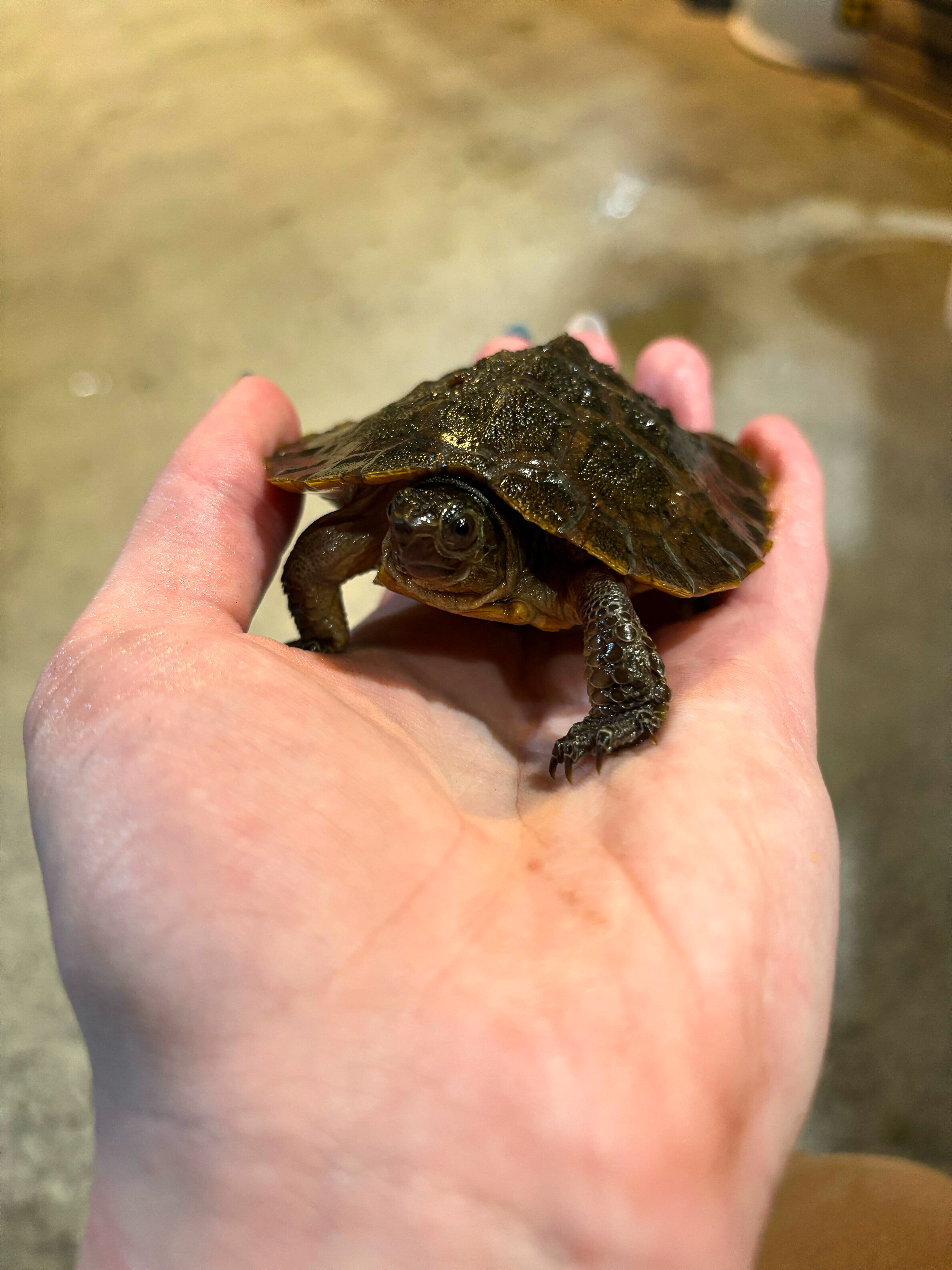
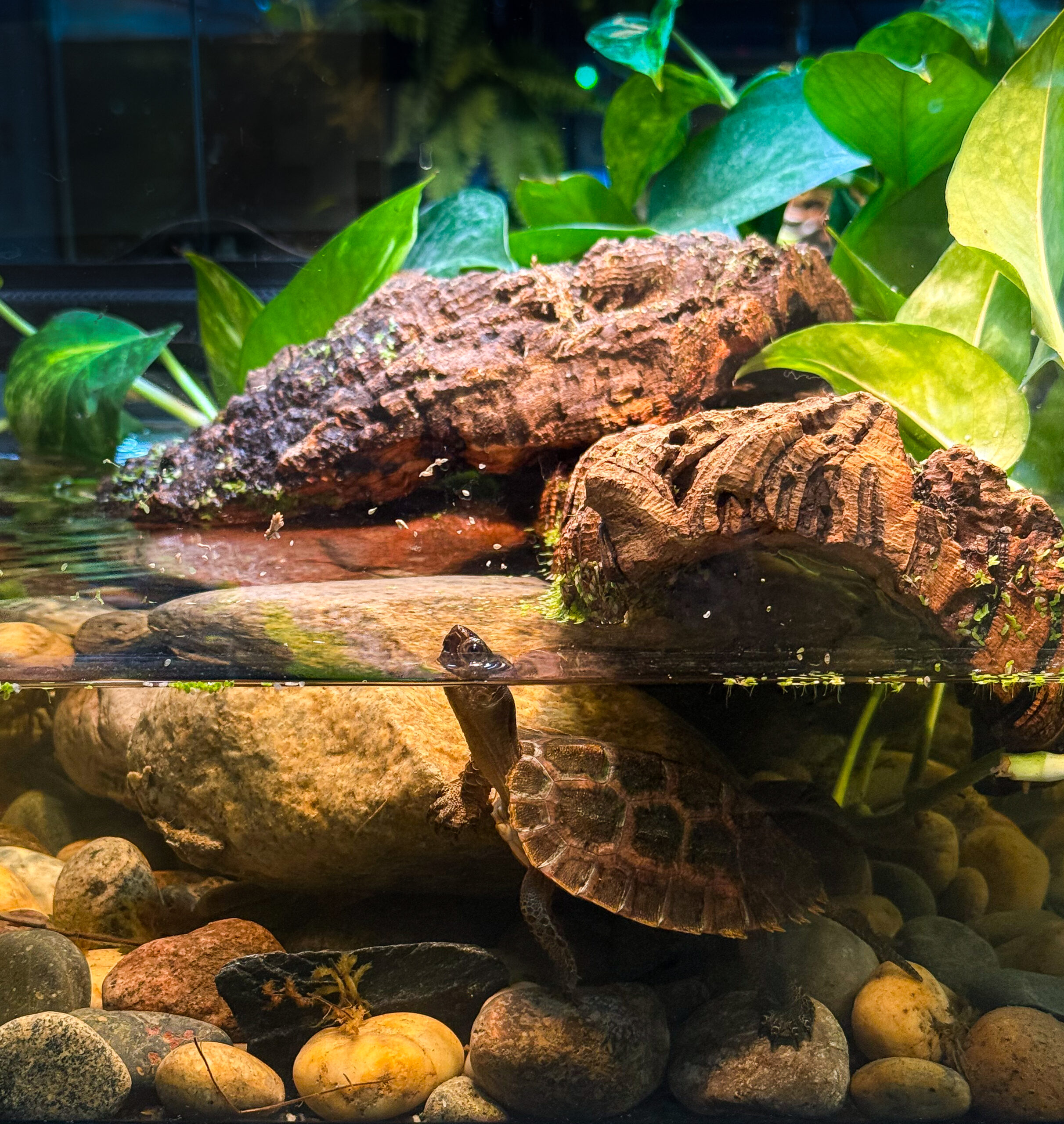
Whitby, ON — June 4, 2026 — Cooperative conservation between Riverview Park & Zoo (Peterborough) and Reptilia Whitby has resulted in the successful transfer of a juvenile Sulawesi forest turtle (Leucocephalon yuwonoi) affectionately named Indi, demonstrating the importance of communication, shared expertise, and collaboration in modern herpetological conservation.
The Sulawesi forest turtle is one of the world’s most critically endangered chelonians. Endemic to the island of Sulawesi in Indonesia, the species faces intense pressure from localized habitat loss and the illegal wildlife trade. Because their natural populations are dwindling rapidly, the individuals cared for within managed, accredited facilities represent a vital genetic safety net.
Currently, there are exceptionally few of these unique turtles housed within North American zoological institutions. Every single individual is of immense conservation value, making strategic population management a high priority.
When Riverview Park & Zoo and the team at Reptilia identified a strategic opportunity to transition Indi to a new, specialized environment, both institutions moved quickly to ensure the highest standards of animal welfare were met.
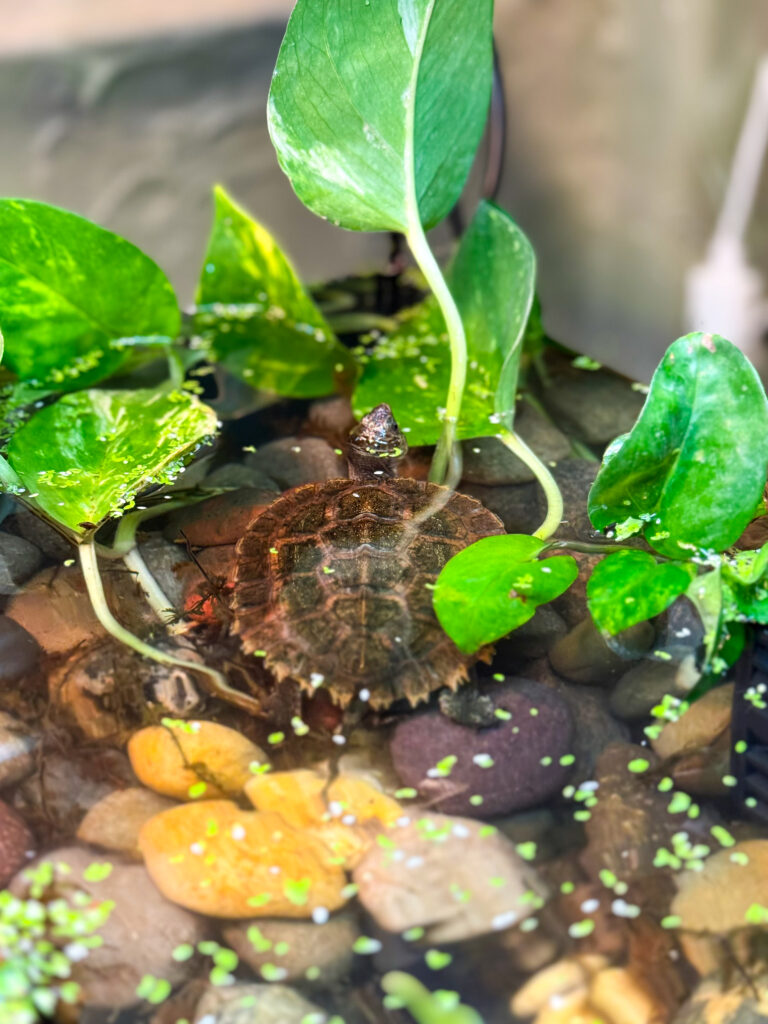
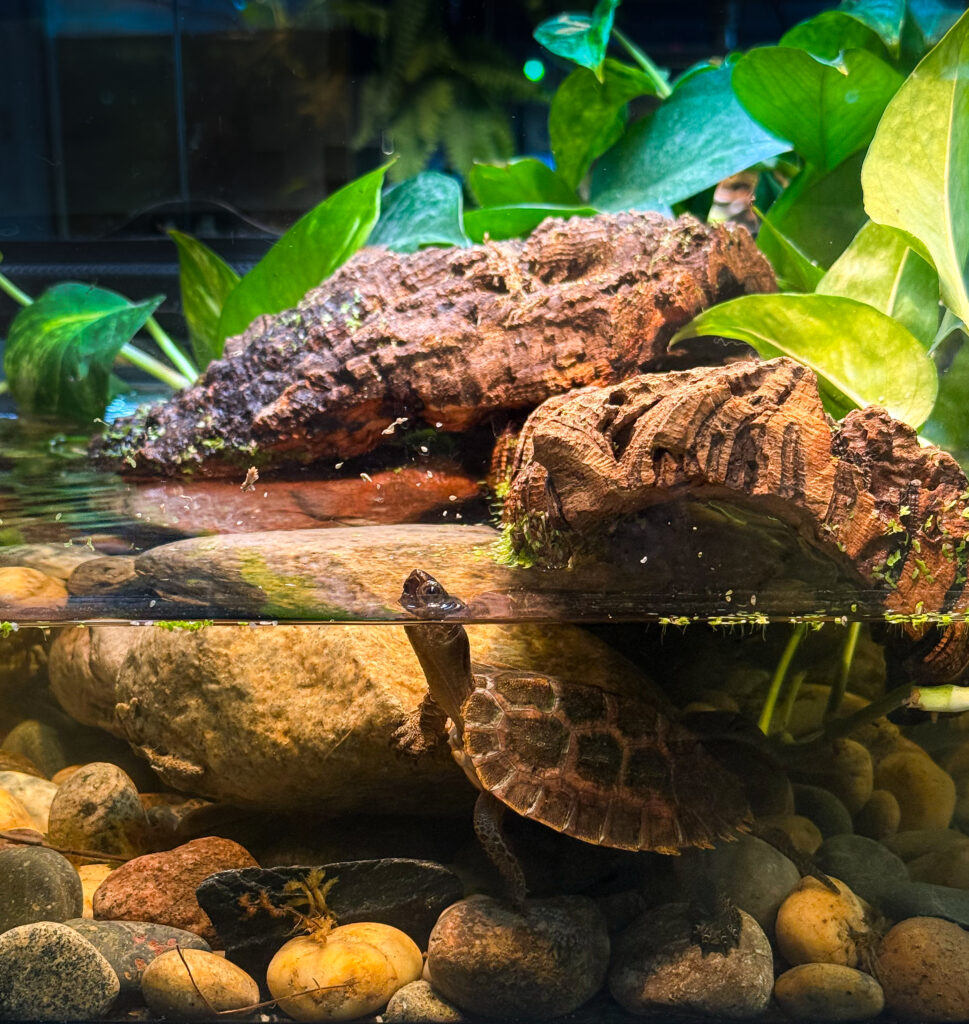
The transfer process was a model of CAZA-accredited teamwork. Teams from both facilities coordinated closely on comprehensive health data sharing, ensuring a complete historical record of Indi’s growth, diet, and behaviour was transferred seamlessly. Environmental matching allowed Reptilia Whitby to design a habitat that closely mirrored the exact parameters—including humidity, temperature gradients, and substrate—under which the juvenile had been thriving. A direct, climate-controlled transfer was also carefully planned to minimize stress and provide a smooth acclimation period.
Indi has acclimated exceptionally well to the new surroundings at Reptilia Whitby. The juvenile is eating vigorously, displaying highly curious and natural behaviours, and settling perfectly into the tailored environment.
Beyond providing world-class daily husbandry for Indi, the ultimate goal of this transfer is rooted in long-term preservation. By strategically placing individuals across specialized facilities, the zoological community can better support biobanking initiatives, maximize space for future programs, and continue educating the public on the critical plight of Indonesian herpetofauna.
This successful transition stands as a powerful reminder of what CAZA institutions can accomplish when they work together, ensuring that even the world’s rarest species have a secure path forward.