
Mexican West Coast Rattlesnake
Crotalus basiliscus
Animals on display may vary.
Diet
Mexican West Coast Rattlesnakes are carnivores, feeding mainly on rodents and other small mammals, as well as ground-dwelling birds and lizards.
Average lifespan
Mexican West Coast Rattlesnakes can live for around 20 years.
Size
Adults commonly reach about 1.5 meters (5 feet) in length, and the largest can exceed 2 meters (6.5 feet), making them one of the largest rattlesnakes in the world.
Weight
Adult Mexican West Coast Rattlesnakes are heavy-bodied snakes, commonly weighing between 1 and 3 kilograms (2 to 6.5 pounds), with the largest individuals weighing more.
About
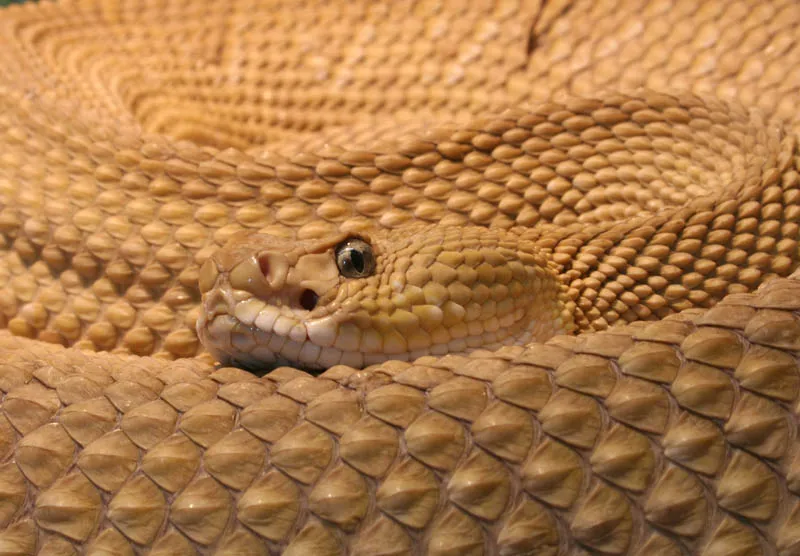
Mexican West Coast Rattlesnakes are found only in western Mexico, along the Pacific coastal lowlands from southern Sonora to Oaxaca. They live mostly in tropical thorn forests and dry deciduous forests, among cacti, rocky hillsides and scrub. Their scientific name, basiliscus, comes from the Greek word for “little king,” a nod to their large size and powerful venom.
Size and behavior
Mexican West Coast Rattlesnakes are usually not aggressive and prefer to slip away into a rock crevice or animal burrow when disturbed. They are most active during the cooler parts of the day and become nocturnal during the hottest summer months. Females give birth to live young, which are born with working fangs and venom.
Diet and nutrition
Mexican West Coast Rattlesnakes are ambush predators that wait patiently beside trails and paths for prey to pass by. Heat-sensing pits on their face let them detect warm-blooded animals even in complete darkness, and their potent venom quickly immobilizes prey. By eating large numbers of rodents, they help keep rodent populations in check.
Deserts & Dry Scrub
More animals to meet
Conservation status
Mexican West Coast Rattlesnakes are classified as Least Concern by the IUCN, and they are listed for special protection by the Mexican government. Local populations can be affected by habitat loss and by people killing snakes out of fear.
Fun fact
Baby Mexican West Coast Rattlesnakes are born mostly reddish in colour and gradually change to the olive-green of the adults, which is why the species is also called the Mexican Green Rattler.
Common Name: Mexican West Coast Rattlesnake
Also known as: N/A
Visit in person
Animals on display vary by location and may change from day to day.