
← Professional Training / Military
Canadian Armed Forces · Military Training Courses
Reptile Risk Mitigation Training
Structured, scenario-based wildlife risk training that improves awareness, reduces preventable injuries and supports operational readiness in wildlife-risk environments.
Live
Venomous specimen training
MTT
On-site at your base
60 Min
Golden-hour protocols
Custom
Built to your mission profile
Mission Brief
Venomous wildlife is a routine environmental risk.
Canadian Armed Forces personnel operate in regions where venomous snakes and hazardous wildlife are a routine environmental risk. These encounters often occur during patrols, field exercises, vehicle movement and base operations, where visibility, fatigue and unfamiliar terrain increase the likelihood of contact.
Without proper recognition and response training, wildlife encounters can result in preventable injuries, medical evacuation and disruption to operational effectiveness. Preparing personnel to safely identify threats, avoid high-risk situations and respond effectively is critical to maintaining force readiness.
Reptilia delivers structured, scenario-based wildlife risk training designed to improve awareness, reduce preventable injuries and support operational readiness in wildlife-risk environments.
Delivered by professional wildlife handling instructors with extensive experience in high-risk animal management, controlled handling environments and safety-focused training programs.

Delivered for the Department of National Defence
The Non-Combatant Threat
One bite can ground a section.
01 · The Problem
High-biodiversity deployments
CAF personnel are increasingly deployed to high-biodiversity environments — Africa, the Indo-Pacific and the Middle East — where venomous reptiles pose a significant Non-Battle Injury (NBI) risk.
02 · The Impact
Lost capability, lost lives
A single snakebite or sting can ground a section, consume critical MEDEVAC resources, and result in permanent disability or death.
03 · The Solution
Discipline over panic
Professional training from Reptilia transforms a panic-based response into a disciplined, tactical procedure.
Training Modules
Four modules. One mission: force readiness.
Select a module to see exactly what your personnel will learn. Every program is tailored to your unit's Area of Operations and mission profile.
01
Module 01
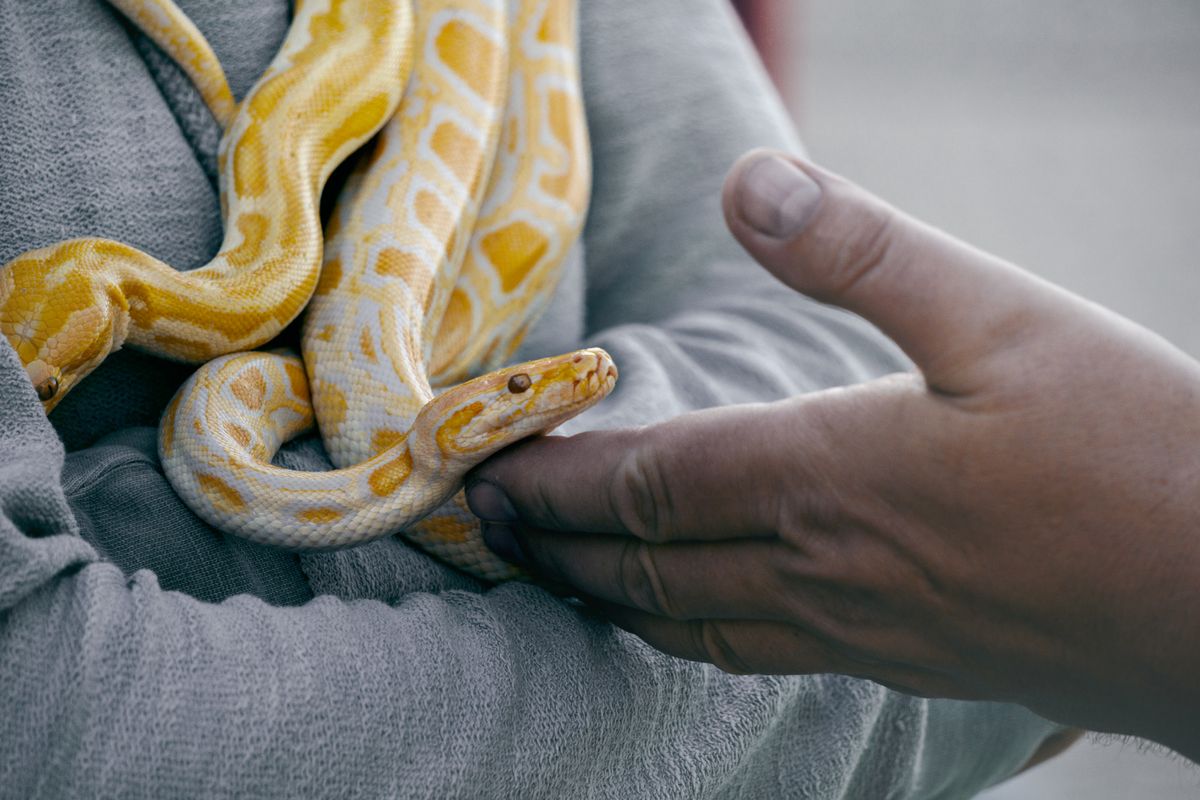
Why Specialized Training Matters
Preparation reduces bites, protects evacuation assets and replaces fear with confidence.
Risk Mitigation
Reducing the frequency of bites through environmental awareness and proper camp hygiene.
Resource Preservation
Avoiding unnecessary use of CASEVAC/MEDEVAC assets for preventable injuries.
Mental Preparedness
Replacing fear with “stress inoculation” — personnel who have handled live specimens are less likely to panic in the field.

02
Module 02
Know Your Environment
Every Area of Operations has its own threats. Training focuses on the species and habitats your personnel will actually face.
Regional Specifics
Training tailored to the specific Area of Operations (AO).
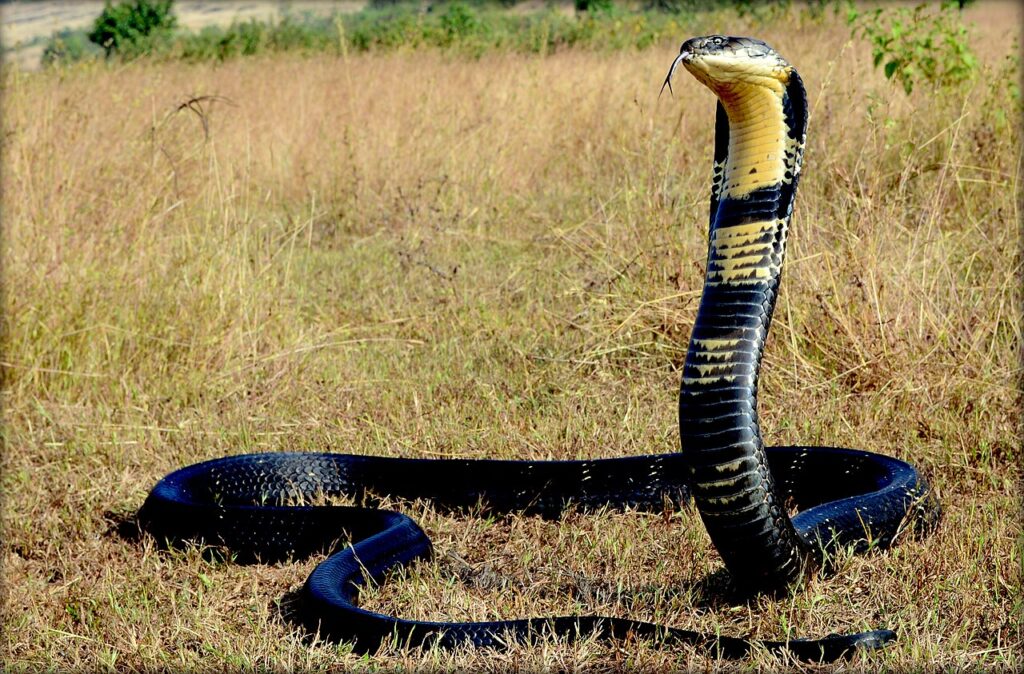
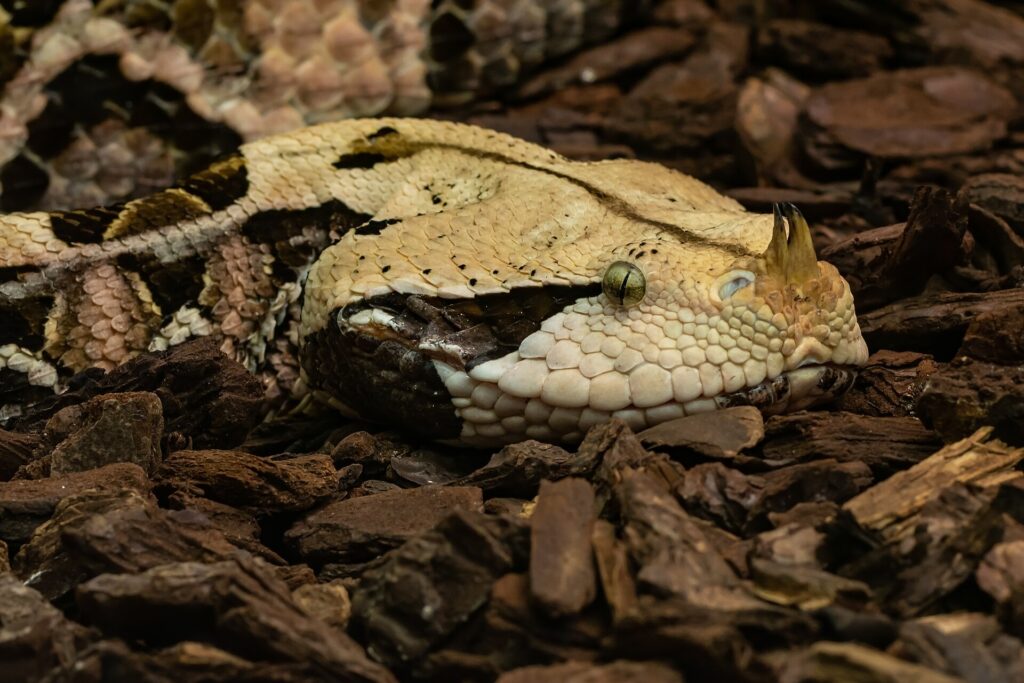
High-Threat Species
Identifying the “Top 5” lethal species in theatre.
Habitat Recognition
Identifying “hot zones” such as vehicle wheel wells, dark storage crates and rocky outcroppings.
Myth vs. Fact
Correcting dangerous misconceptions about reptile behaviour and “aggression.”
03
Module 03
Tactical Handling Protocols
Clear, repeatable procedures for safely managing a venomous animal in the field.
The 2-Metre Rule
Maintaining a safe standoff distance at all times.
Tool Proficiency
Proper use of snake hooks, tongs and containment tubes.
Relocation SOP
How to safely move a specimen from a trench, tent or vehicle without sustaining a bite.
Field Containment
Secure bagging and transport techniques to ensure the threat does not re-enter the perimeter.
04
Module 04
Evidence-Based Field Care
What medics and personnel should do — and must never do — after a bite or sting.
The Golden Hour
Immediate actions to take within the first 60 minutes.
Advanced First Aid
Application of the Pressure Immobilization Technique (PIT) where applicable.
Clinical Indicators
Training medics to recognize neurotoxic (paralysis) vs. hemotoxic (tissue death) symptoms.
The “Zero-Tolerance” List
Explicitly banning outdated field “cures” like suction, incision or tourniquets.
Why Partner With Us
Realism you can't get anywhere else.
Live Specimen Training
We provide the only training in Canada using live, high-containment venomous species for maximum realism.
Customized Curriculum
Our biologists and instructors build programs based on your unit's specific mission profile.
Mobile Training Teams
We can deliver training on-site at CFB Borden, Petawawa, Gagetown, Edmonton and more.
The Bottom Line
Dominate the environment.
Ensure your troops are more dangerous than the environment they operate in.
Next step: schedule a pilot demonstration or a site visit to one of Reptilia's facilities.
Here's why you should join our training
Identification of dangerous reptiles
Safe capture, handling or avoidance of dangerous species
Emergency snakebite & sting procedures