Neotropical Rattlesnake
Common Name: Neotropical Rattlesnake
Scientific Name: Crotalus durissus
Names: N/A
Locations: Vaughan
Diet
Primarily small rodents (mice, rats), with some populations also taking Teiidae lizards; they are ambush predators, striking and envenomating prey before consumption
Average lifespan
Approximately 15 years in the wild
Size
Typically reaches 1.5 m (4.9 ft) in total length, rarely up to 1.9 m (6.2 ft)
Weight
On average about 2.6 lb (1.2 kg)
About
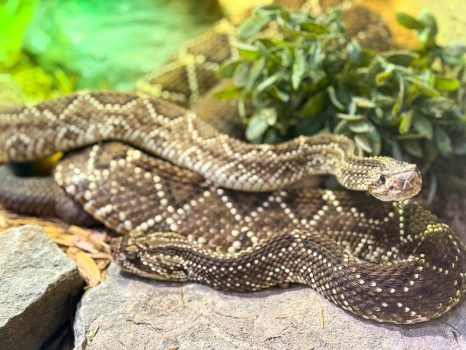
A large pit viper native to savannas and semi-arid zones across much of South America (from Colombia and Venezuela through Brazil to northern Argentina), recognizable by its diamond-shaped dorsal pattern and two lighter stripes beside the head
Size and behavior
Crepuscular (most active at dawn and dusk), highly alert with minimal warning before striking; generally non-aggressive toward humans unless provoked
Diet and nutrition
Uses potent neurotoxins—principally crotoxin and crotamine—to rapidly immobilize warm-blooded prey, then swallows it whole; juveniles feed more on lizards, shifting to mammals as adults
Conservation status
Listed as Least Concern; while habitat loss and human persecution affect local populations, the overall species remains widespread and stable
Fun fact
Their venom can include crotoxin—a neurotoxin capable of causing progressive paralysis and even temporary blindness in envenomated victims, a rare effect among rattlesnakes