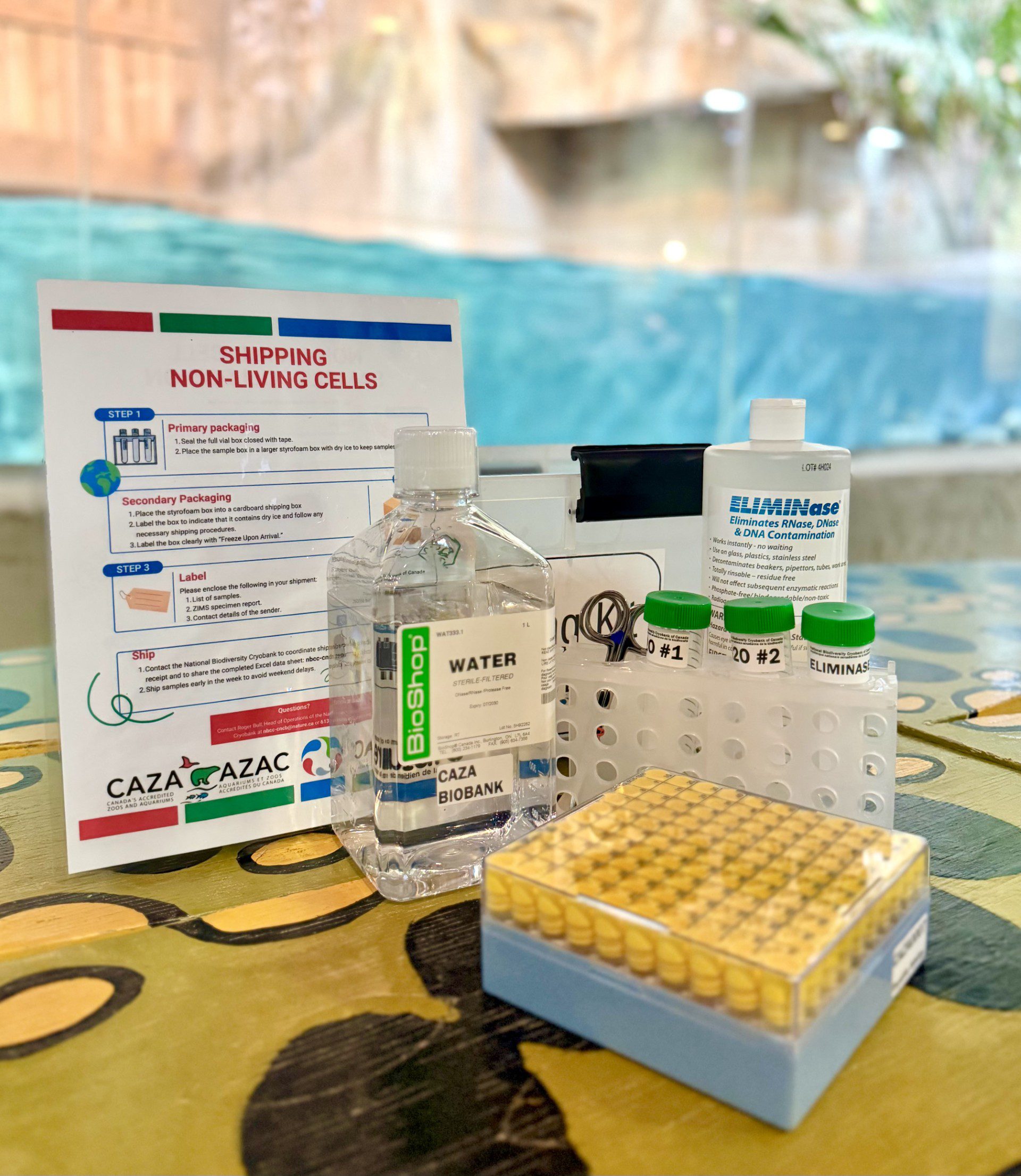
A biodiversity biobank serves as a secure, long-term repository for biological samples, including tissue, blood, and genetic materials. By cryogenically preserving these specimens, researchers can unlock deeper insights into species biology, population health, and the maintenance of genetic diversity for years to come.
As part of this vital network, Reptilia has joined other CAZA-accredited institutions in expanding the capacity to collect and store living tissue samples, such as spermatozoa, oocytes, and embryos.
Genetic Management: Utilizing samples to maintain robust gene pools through assisted reproductive technologies.
Species Recovery: Directly supporting breeding programs for vulnerable and at-risk reptiles and other wildlife.
Scientific Research: Providing a foundation for future breakthroughs in herpetology and conservation genetics.
By integrating Reptilia’s specialized expertise into this biobanking framework, the initiative strengthens the collective effort to safeguard species against the threat of extinction.
Reptilia's Contribution
Reptiles and amphibians are currently facing an unprecedented global extinction crisis. From the rapid spread of chytrid fungus impacting amphibians to the loss of critical nesting habitats for reptiles, these species are often on the front lines of environmental collapse.
To combat this, Reptilia has expanded its role in the global conservation network by processing and preserving DNA, tissue, and cell samples specifically focused on these at-risk lineages.
Our 2026 Conservation Strategy
Recognizing that many reptile and amphibian species are disappearing faster than they can be studied, Reptilia utilizes a multi-tiered preservation approach to ensure no genetic blueprint is lost:
Ultra-Low Thermal Storage: Utilizing -20°C and -80°C specialized freezers for short-term genomic stability.
Cryopreservation: Deploying liquid nitrogen tanks to maintain samples in a state of biological stasis indefinitely.
Genetic Insurance: Building a “frozen zoo” that acts as a backup for wild populations, ensuring that even if a species struggles in the wild, its genetic diversity remains available for future recovery.
Why This Matters
For many species, biobanking is no longer just a research tool—it is an essential safety net. By preserving these samples today, Reptilia is providing the foundation for assisted reproduction and genomic research that will be vital for the survival of vulnerable species in 2026 and beyond.
Applicable Species
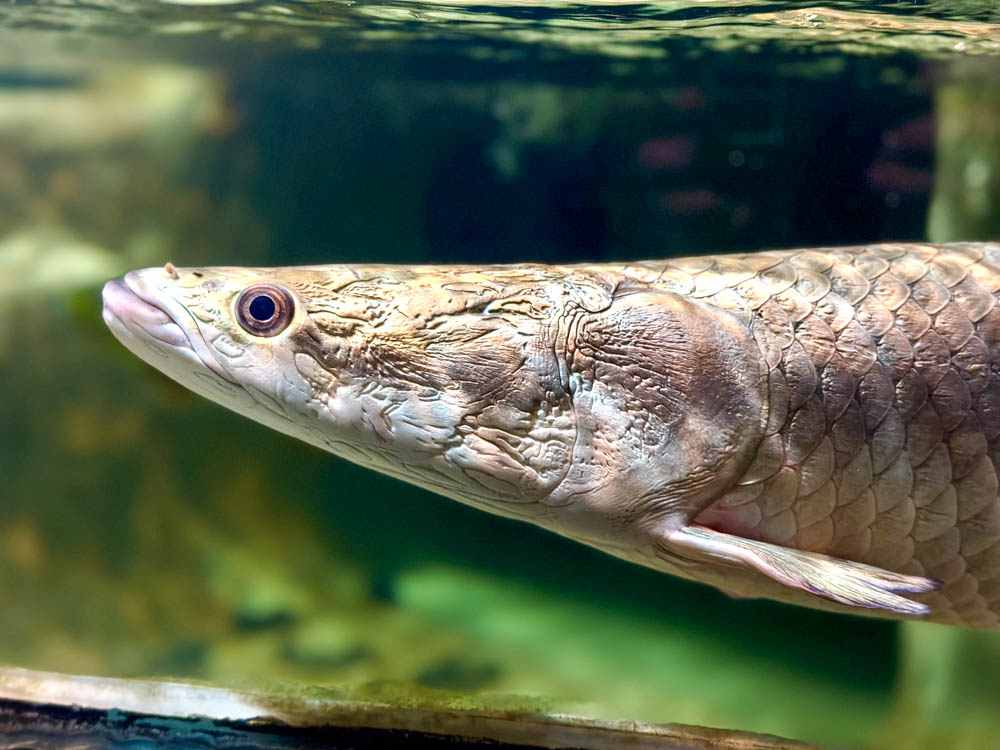
Arapaima
The largest freshwater fish in South America, endemic to the Amazon River Basin. It is a facultative air-breather, meaning it must surface for air every 5 to 15 minutes using a primitive lung, and can grow up to 3 meters (nearly 10 feet) in length.
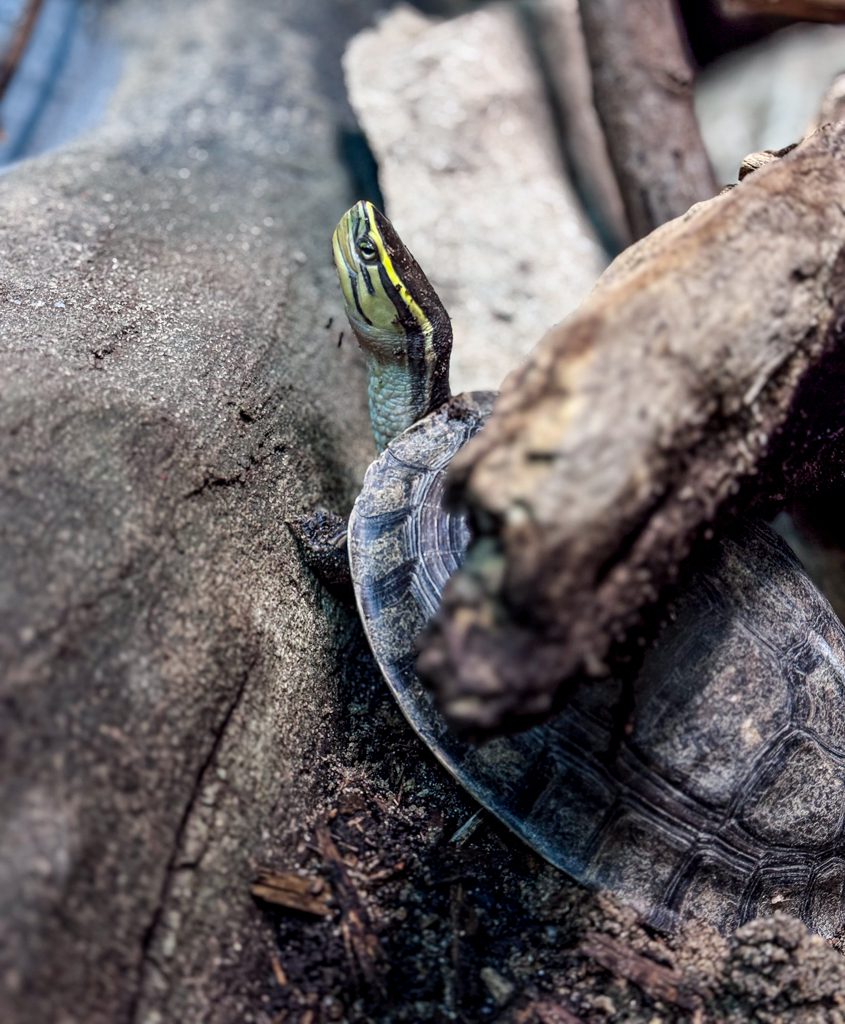
Malaysian Box Turtle
The Malaysian Box Turtle is a semi-aquatic species native to Southeast Asia, including Malaysia, Indonesia, Thailand, and the Philippines. It inhabits freshwater wetlands, marshes, rice fields, ponds, and slow-moving streams. Its name comes from its hinged plastron, which allows it to close its shell completely for protection.
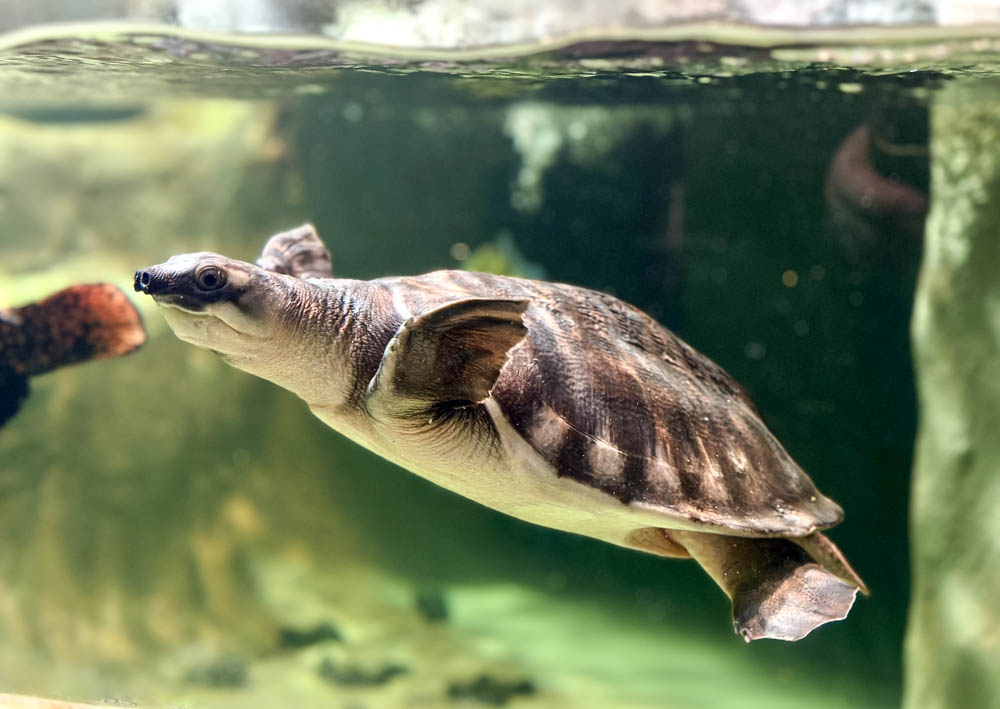
Fly River Turtle
The Fly River Turtle (Carettochelys insculpta), also commonly known as the Pig-Nosed Turtle, is a unique freshwater reptile native to Northern Australia and New Guinea. It is considered an “evolutionary relic” as the last surviving member of its family (Carettochelyidae). Here is a short description based on its key characteristics:
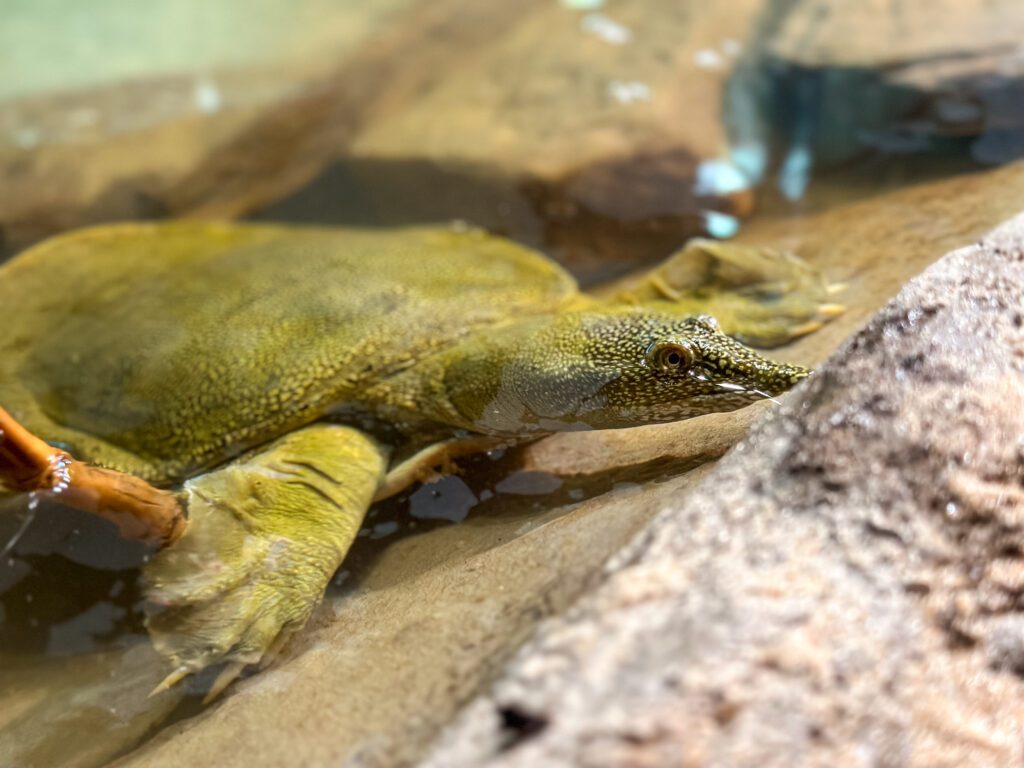
Chinese Softshell Turtle
The Chinese Softshell Turtle (Pelodiscus sinensis) is the ultimate master of the muddy bottom. While other turtles rely on a heavy “tank” of armor, this species traded its heavy shell for speed, camouflage, and a lethal bite.