This category is for the animals to show on bio bank page.
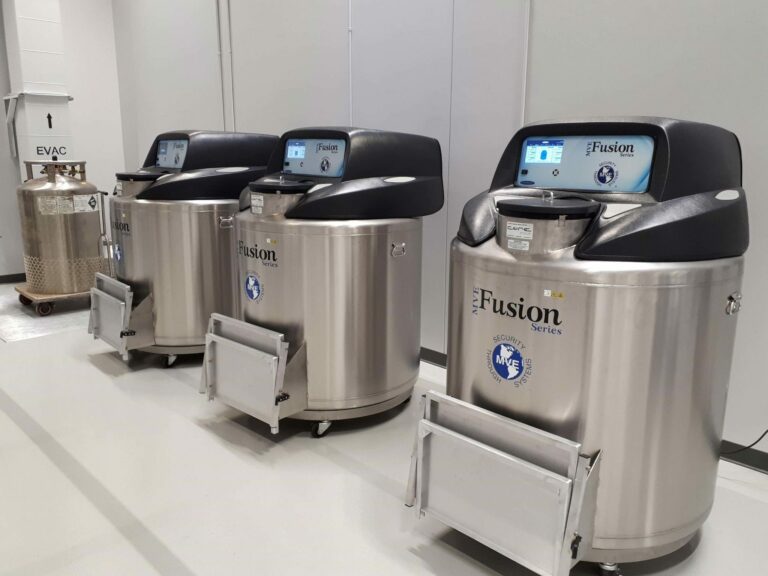
Launched in late 2025, the CAZA Biodiversity Biobank is a national partnership with the Canadian Museum of Nature that secures genetic material—such as DNA and tissue—to safeguard at-risk species from extinction. As an accredited member of Canada’s Accredited Zoos and Aquariums, Reptilia participates by contributing biological samples from its diverse reptile and amphibian collections. This initiative acts as a "genetic safety net," enabling future research and assisted reproduction for vulnerable herpetofauna across its Ontario facilities.
As part of its commitment to global conservation, Reptilia participates in Species Survival Plan (SSP) programs, which are coordinated breeding initiatives designed to maintain healthy, genetically diverse populations of threatened species within accredited zoos. By collaborating with other CAZA and AZA institutions, Reptilia manages the breeding and transfer of key residents to ensure these species do not face "genetic bottlenecks." These programs go beyond simple breeding; they serve as a living insurance policy against extinction, combining meticulous genealogical records (studbooks) with expert husbandry to support future reintroduction efforts into the wild.
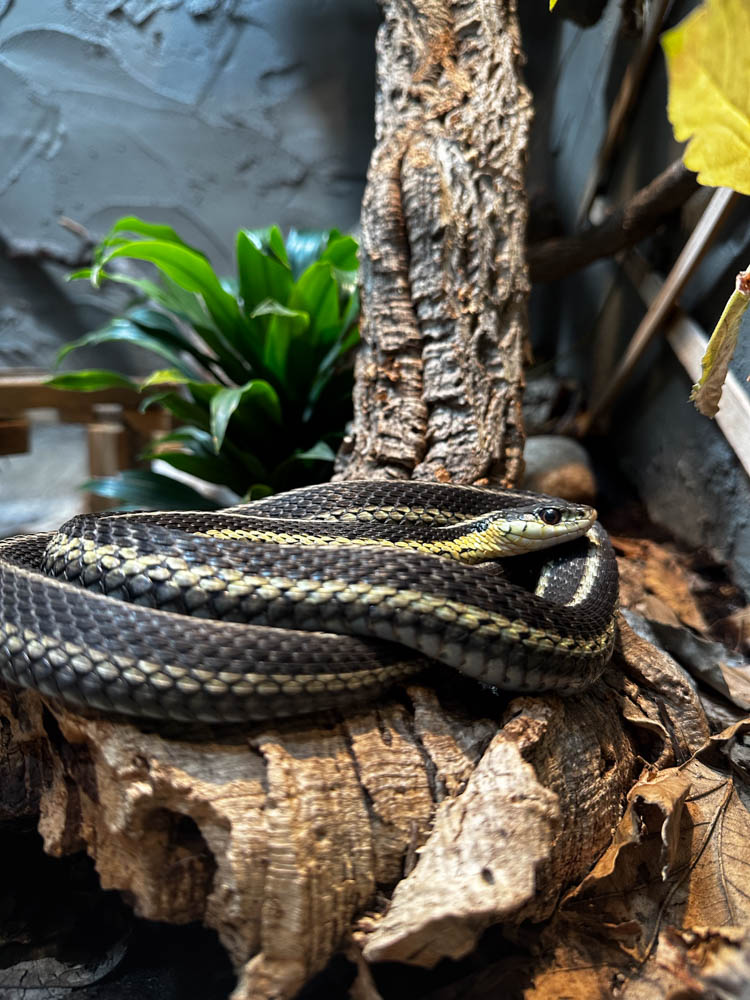
Reptilia participates in national conservation workshops, such as the Integrated Collection Assessment and Planning (ICAP) sessions for Canadian snakes. During these workshops, Reptilia provides expert recommendations on how facility-based care can directly benefit wild populations. Their contributions help determine species-specific actions—ranging from genetic research and husbandry training to public education—ensuring that captive management effectively complements on-the-ground conservation efforts for at-risk reptiles across Canada.
Antivenom Canada is a specialized emergency database and logistics network managed by Reptilia Zoo. It is designed to bridge the gap between the public healthcare system and the zoological community.